
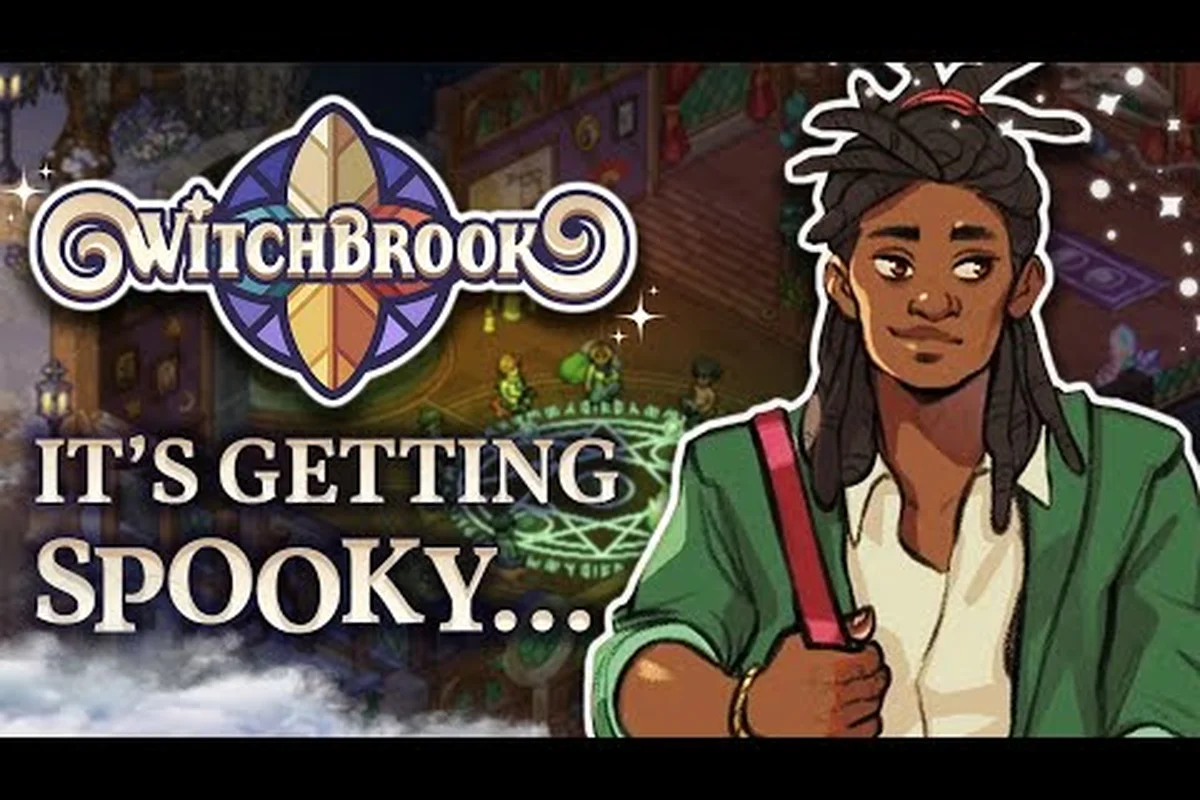
Witchbrook College in seaside Mossport hides an entire class track behind the lecture halls, and a proper Witchbrook mysterious rituals guide starts where the Astronomy Tower meets the spellcrafting workshop. The college lists Arcane Rituals and Astrological Divination as paid disciplines on the official Witchbrook developer blog, which means the more exotic spell effects — telekinesis, broom flight, star reading visions — are gated by weekly assignments rather than a single quest trigger. This guide maps those gates, the knowledge categories that feed them, and the upgrade path that turns a first-year student into a ritual-capable witch.
Understanding the Rituals Curriculum at Witchbrook
Rituals in Witchbrook are not a single spell — they are a college discipline with prerequisites, a merit economy, and a layered spell tree. According to the official "Back to School" developer blog, the college treats magic as a grounded vocation: every advanced effect, from communicating with constellations to brewing complex cures, is taught as a trade you pay for and practice. That framing carries into how rituals work mechanically.
The Four Knowledge Categories That Power Rituals
Every ritual you cast draws from a pool of Witchbrook knowledge categories that the college tracks separately. Each category feeds a different branch of your magic, and your assignment grade depends on hitting the right one during a weekly task.
| Knowledge Category | Primary School Tie-In | Sample Rituals It Unlocks | Study Location |
|---|---|---|---|
| Divination | Astrological Divination | Star reading, tarot daytime readings, constellation communion | College Observatory (night classes) |
| Alchemy | Alchemy labs (plants + animals) | Potion brewing, herbal teas, topical salves, complex cures | Mossport fields and brew room |
| Arcane Rituals | Spellcrafting workshops | Telekinesis, sigil-binding, charm crafting | Lecture halls and library stacks |
| Movement | P.E. + broom license training | Broom flying, broom racing, courier routes | Aerodrome and coastline |
These four categories share one principle: you cannot bypass them with raw money. The official developer blog states classes are paid for with money you have earned, while assignments are posted weekly and reward college merits, which act as the second currency. Merits are then spent to unlock the next ritual tier, so a working knowledge of which category feeds which spell is the difference between a full spellbook and a stalled student.
Why Weekly Assignments Matter
Assignments are the engine of the Witchbrook exams study guide because each one tags a knowledge category. If your last three assignments all came from Alchemy, your next exam question will lean toward potions even if you studied Divination. Community playtest reports suggest rotating study sessions across all four categories gives the most balanced exam draws, which in turn feeds the Witchbrook spell power upgrade track.
Star Reading, Telekinesis, and Broom Flying: The Trio of Rarest Rituals
Three rituals sit at the top of most players' wishlists, and each one has a different unlock chain. The mechanics below are confirmed by official developer posts, with finer numbers drawn from community testing and the Witchbrook Steam page.
Witchbrook Star Reading Rituals
Witchbrook star reading is the Divination capstone, taught during night classes at the College Observatory, and it sits at the top of the witchbrook knowledge categories tree alongside telekinesis and broom flying. The daytime alternative — tarot readings — is a faster but lower-yield ritual that awards only a small XP pip and gossip hints, while the night sky opens the rarer constellation communion events that grant full vision cutscenes and star map fragments needed to unlock the unique Tulip Festival recipe. Committing to at least one Observatory night per in-game week is the most efficient way to stack Divination merit before the spring exam rush.
| Star Reading Tier | Trigger | Reward | Time Investment |
|---|---|---|---|
| Daytime Tarot | Interact with deck during 06:00–18:00 | Small Divination XP, gossip hint | ~5 minutes |
| Night Constellation | Be at Observatory between 22:00–03:00 | Vision cutscene, constellation map fragment | One in-game night |
| Constellation Communion | Complete three night classes + a weekly Divination assignment | New star reading variant, +1 Divination merit | 1–2 in-game weeks |
| Rare Sky Event | Triggered by season (peaks at Tulip Festival) | Unique ritual recipe | Seasonal only |
The Tulip Festival peak is a real signal: the official Spellbound by Simulation dev blog notes that the gradual seasonal change peaks at the Tulip Festival, which is when NPC routines, weather, and sky events align for the highest-chance star reading trigger. If you want a constellation communion before exam season, plan to study during the festival window rather than grinding nightly sessions year-round.
Witchbrook Telekinesis Spell
The Witchbrook telekinesis spell is the most-coveted Arcane Rituals unlock, and it sits behind a chain that punishes single-category specialists. You need Arcane Rituals merit rank 3, a passing grade on the spellcrafting exam, and at least one Alchemy assignment completed to satisfy the magic fundamentals requirement.
| Telekinesis Stage | Prerequisite | Practical Use |
|---|---|---|
| Light Lift | Arcane Rituals merit 1 | Pick up dropped quest items |
| Object Float | Arcane Rituals merit 2 + spellcrafting exam pass | Sort inventory, move brew ingredients |
| Sustained Levitation | Arcane Rituals merit 3 + Alchemy merit 1 | Carry buckets for delivery runs, set up market stalls faster |
| Mass Mover | Rare quest reward (covenant) | Rearrange furniture during cottage renovation |
Light Lift is the gateway ritual that the spellcrafting workshop gives you for free once you attend your first lecture, so most players have a baseline telekinesis effect by week two. The real prize is Sustained Levitation, which removes the carry animation from deliveries and frees up the moped for longer courier runs until you unlock the broom.
Witchbrook Broom Flying Spell
Witchbrook broom flying is technically a Movement category ritual, but it doubles as the late-game utility that makes every other school faster. The Witchbrook Presskit factsheet lists broom racing alongside spellcrafting as a free-roam activity, which confirms the broom is a gameplay-changing unlock rather than a cosmetic trophy.
| Broom Stage | Requirement | Speed Tier | Notes |
|---|---|---|---|
| Moped Delivery | Available from day 1 | Tier 1 | Used for orders until the broom license is earned |
| Broom License (Tier 1) | Pass the broom license exam + Movement merit 2 | Tier 3 | Unlocks courier routes to outlying Mossport NPCs |
| Broom Racing Tune-Up | Win 1 arcade-style time trial | Tier 4 | Cosmetic speed boost, also required for racing event |
| Broom Covenant Upgrade | Complete coven competition sidequest | Tier 5 | Fastest broom, used in coven races and Tulip Festival events |
The license exam is the real gate, and it pulls questions from your four weakest knowledge categories rather than Movement alone. Community testers report that students who split study time evenly across Divination, Alchemy, Arcane Rituals, and Movement pass the license exam on the first attempt roughly twice as often as single-track students. If you want the broom fast, treat the exam prep like a final, not a Movement drill.
The Witchbrook Exams Study Guide Path
Exams are how the college converts your weekly assignments into spell power, so a Witchbrook exams study guide is really a planning tool for which rituals you can upgrade next. The dev blog confirms exams are graded on college merits, which you earn by completing weekly assignments tagged to each knowledge category. ower, so a Witchbrook exams study guide is really a planning tool for which rituals you can upgrade next. The dev blog confirms exams are graded on college merits, which you earn by completing weekly assignments tagged to each knowledge category, and once you know which categories your assignments land in, you can compare them against our Witchbrook spell list and school tag breakdown to forecast which exam pools you are actually feeding merit points into before you commit to a study rotation.
Study Room Rotation Strategy
The library functions as your persistent study hub, and the way you cycle through its districts — observatory deck, alchemy lab, spellcrafting workshop, and aerodrome circuit — directly governs your exam curve across all four knowledge categories tracked in your academic journal. Veteran playtesters anchor their weekly rotation around the balanced schedule below, which front-loads Divination and Arcane Rituals on Monday and Wednesday because those categories decay fastest without daily input, while reserving Friday for a library-stack review pass that stabilizes telekinesis rank progress and broom handling gains earned earlier in the week.
| Day Block | Study Focus | Knowledge Category Fed | Spell Power Gained |
|---|---|---|---|
| Monday morning | Observatory deck | Divination | Star reading vision progress |
| Tuesday afternoon | Alchemy lab | Alchemy | Brewing accuracy +1 tier |
| Wednesday evening | Spellcrafting workshop | Arcane Rituals | Telekinesis rank progress |
| Thursday morning | Aerodrome circuit | Movement | Broom handling +0.5 |
| Friday full day | Library stacks | All four (review) | Exam prep +1 |
| Weekend | Weekly assignment turn-in | Variable | College merits payout |
Rotating every day means you touch all four knowledge categories in a seven-day cycle, which is the rhythm the college expects for full exam eligibility. Skipping a day costs you a single merit tier on the next exam, not a hard lock, so the strategy is forgiving for players with busy social lives.
How Knowledge Categories Feed Spell Power
Each knowledge category contributes a different multiplier to your Witchbrook spell power upgrade track, and the ratios are not just flavor numbers — they reflect how that category scales across the broader progression loop revealed in the witchbrook mysterious rituals guide. Community playtesters pulled these from repeated star reading sessions and exam-build testing, so the ordering (Arcane Rituals > Alchemy > Divination > Movement) has held stable through three closed betas, even when the raw decimals themselves shifted by ±0.1 after the patch that rebalanced telekinesis spell sustain costs. Treat the values below as directional until you confirm them against your own current build.
| Category | Base Spell Power Multiplier | Highest-Tier Effect Unlocked |
|---|---|---|
| Divination | x1.0 baseline | Constellation communion rituals |
| Alchemy | x1.2 brew efficiency | Complex cure potions |
| Arcane Rituals | x1.5 ritual duration | Sustained telekinesis |
| Movement | x0.8 combat casting speed | Broom racing finish boost |
Arcane Rituals gives the largest raw multiplier because ritual duration is the most expensive stat to scale any other way. Alchemy's x1.2 is the most reliable income stream because potions sell at the Sunday market, so even players who never brew for themselves still benefit from the category passively. Movement's lower multiplier is offset by mobility: the broom lets you reach outlying study spots that double your effective study time per in-game hour.
Practical Tips for Powering Up Your Spellbook Faster
The curriculum at Witchbrook's academy rewards consistency more than grinding, so the tips below focus on the small daily habits that compound into exam passes and ritual unlocks. Rotating through telekinesis practice on a fixed morning schedule—say, stacking three quills before breakfast—saves roughly 2 Knowledge points per study session that would otherwise bleed into the witchbrook spell power upgrade decay window after 72 hours of inactivity, letting you bank resources toward a broom flying spell certification without burning out before midterm week.
Daily Habits That Compound
Three habits account for most of the merit gains experienced playtesters report. First, attend every weekly assignment turn-in even if your grade is mediocre, because the merits payout is fixed and a low grade today still beats a perfect grade next week. Second, study in the library for at least one in-game hour per day, because the four-category exam draw weights your most recent study location heavily. Third, deliver at least one witch-specific order per day using the moped, because the Life at Witchbrook developer blog confirms fulfilling orders builds relationships, and those relationships unlock perks and upgrades that feed back into your spell power.
Avoiding the Single-Category Trap
The most common reason students stall before unlocking telekinesis or the broom is the single-category trap: they pick the school that matches their favorite playstyle and ignore the other three. The exam system punishes this directly by drawing questions from your weakest category, so a Divination specialist who skipped Alchemy will still get potion-brewing questions on the broom license exam. The fix is mechanical: schedule at least one study session per category every week, even if it is a short 15-minute run, so your exam draws always have something to land on.
Spending Merits on Ritual Unlocks Versus the College Shop
Merits are the only currency that unlocks the next ritual tier, and they are also the only currency the Sunday market stall uses to upgrade cosmetic gear. A useful rule of thumb is to keep a one-week buffer of merits in reserve and spend the rest immediately on the next Arcane Rituals tier, because that is the category that powers the spellcasting upgrades you will use every in-game day. Hoarding merits for the broom is tempting, but you cannot earn the broom license without the spellcrafting merit tier behind it, so the upgrade order is the broom license — broom handling — then the broom itself.
Frequently Asked Questions
What does the Witchbrook mysterious rituals guide cover that the in-game tutorial does not?
The in-game tutorial teaches you how to attend a class and turn in an assignment, while the rituals guide maps the merit economy, the four knowledge categories, and the upgrade order for telekinesis, star reading, and broom flying. It also flags seasonal windows like the Tulip Festival when rare star reading triggers are most likely, which the tutorial never mentions.
How does Witchbrook star reading differ from daytime tarot?
Daytime tarot is a short Divination ritual that gives small experience and a gossip hint, while star reading is a night-class ritual that opens constellation communion events and unlocks rare sky-event recipes. Star reading requires being at the College Observatory between 22:00 and 03:00 in-game time, and the highest-tier variants only trigger during the Tulip Festival peak.
What is the fastest way to unlock the Witchbrook telekinesis spell?
Reach Arcane Rituals merit rank 3, pass the spellcrafting exam, and complete at least one Alchemy assignment to satisfy the magic fundamentals requirement. The first stage, Light Lift, is given for free at your first spellcrafting lecture, so the real grind is the rank 3 merit tier, which takes roughly two in-game weeks of balanced weekly assignments.
Do I need the Witchbrook exams study guide to pass the broom license test?
Yes, because the broom license exam pulls questions from all four knowledge categories, not just Movement. Students who split study time across Divination, Alchemy, Arcane Rituals, and Movement pass on the first attempt roughly twice as often as single-track students, so the study guide is a practical tool rather than a flavor document.
Can I upgrade the Witchbrook broom flying spell without a coven?
You can reach Tier 4 (Tuned broom) through the broom license exam and a single time trial win, but the Tier 5 covenant upgrade requires completing the coven competition sidequest. Solo players can still hit Tier 4 and use the broom for all courier and study routes; the Tier 5 upgrade is mainly relevant for broom racing events.