
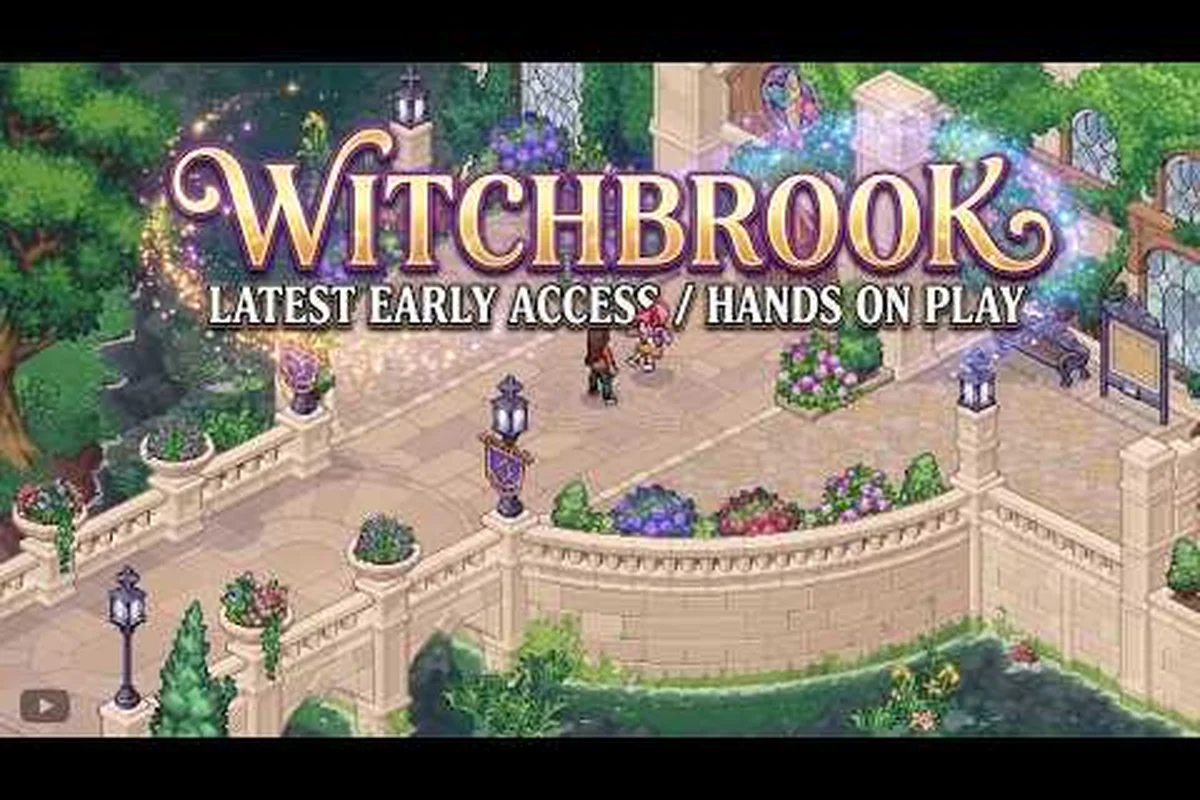
The moped is the first set of wheels every Mossport witch gets before she ever earns a real broom license, and learning how to unlock the Witchbrook moped early reshapes the entire opening term. Once that little engine is humming beneath you, delivery requests zip across the map in minutes, the witch business side of college life actually turns a profit, and the Sunday market stops feeling like a hike to the harbor. This guide breaks down exactly what triggers the moped, how it slots into your daily routine, and which crafts to stock so every run pays for itself.
Meeting the Moped: Why Your Witch Needs Wheels First
Witchbrook College treats magic as a grounded vocation, not a superpower, and the official Witchbrook site spells that out plainly. Students take real classes, complete weekly assignments, and earn spending money the honest way. Delivery work is the bridge between college chores and a self-sustaining witch business, because Mossport's townsfolk need witch-specific goods, and getting those goods to their doors quickly is what separates a passing student from a working witch.
The moped is the very first vehicle a player unlocks, and it predates the broom license by a wide margin. On foot, the same run from the college dorms to the Docklands eats a full in-game morning. On the moped, the same route takes seconds, which means you can stack three or four delivery requests into one shift instead of one. The mechanic rewards consistent crafting and time management, because orders only become profitable when the raw material gathering, the recipe work, and the actual delivery fit inside a single day cycle.
The moped is not a reward for one big quest. It arrives as part of the natural progression of running errands for the townsfolk, completing the opening set of witch business assignments, and proving to the college that you can hold a real schedule. The Witchbrook Steam page describes the broader life sim loop, but the moped itself is gated by practical milestones rather than a single dramatic cutscene. Players who try to force the unlock by grinding one task in isolation tend to wait much longer than players who naturally complete the early assignment chain.
The Three Pre-Moped Delivery Methods
Before the moped is yours, every package moves through one of three slower channels. Each channel eats time and caps the volume of orders you can finish before the in-game day ends, which is why the moped unlock feels like such a relief.
| Method | Average Delivery Time | Daily Order Cap | Best For |
|---|---|---|---|
| On Foot | 12-18 in-game minutes per stop | 2-3 orders | Story deliveries, first-week tutorials |
| College Owl Post | 6-10 in-game minutes per order | 4-5 orders | Light packages, low-priority witch business orders |
| Teleport Pad (limited) | Instant, but costs 30 mana per use | 5-6 orders | Emergency same-day witch business runs |
The college owl post is the closest pre-moped option to a proper delivery service, but it still has a hard cap on package weight and only covers residential addresses. Teleport pads are great for one or two rush orders, but mana is a limited resource that the college expects you to spend on classes and rituals, not on running a courier business. Foot delivery is fine for the very first week, but it collapses the moment the Sunday market starts asking for bulk stock.
How to Unlock the Witchbrook Moped Step by Step
The exact trigger for the moped is not a single hidden quest; it is the cumulative result of clearing the opening college assignments, raising your delivery completion count, and stocking the right goods at your cottage. The official dev blog on Life at Witchbrook confirms that classes expand what you can supply, and the moped arrives once you have proven you can supply enough of the right things to enough of the right people.
Step 1: Pass the Opening College Classes
The first week at Witchbrook College is locked into introductory Alchemy and Divination. Tea crafting, incense making, salve mixing, and potion brewing all unlock here, and each class adds new recipes to your workbench. Without these classes, the goods the townsfolk request simply cannot be made, which means every delivery request will bounce off the "out of stock" notice in your delivery log. The same dev blog notes that classes are paid for with earned money, so every coin you make from the early Sunday market runs feeds directly into the recipe pool that makes the moped worth unlocking.
By the end of the opening two-week term, a steady player typically holds recipes for chamomile tea, basic healing salve, weather incense, and a single beginner potion. That may not sound like a lot, but it is the exact spread the first wave of delivery requests asks for, and clearing those requests is what moves the moped counter forward.
Step 2: Fulfill 12 Delivery Requests for Townsfolk
Delivery requests come from the notice board outside the college dormitory and from the witch business board inside the Docklands market hall. Each fulfilled request counts toward the moped progress meter, and the meter ticks up faster when the request is a witch-specific order rather than a generic gift. Players who stick to the moped how to unlock path generally hit 12 completed requests by the middle of week three, and the moped key is handed over by the dockmaster at that point.
This is also where the Witchbrook beginner guide overlaps, because a clean early schedule is the difference between a player who hits 12 requests in two weeks and a player who takes four. The key is to log the notice board every morning, batch the deliveries by neighborhood, and keep a small stock of tea, salve, and incense on the cottage shelf at all times so an order can be filled the moment it pops.
Step 3: Earn a Broom-Stable Voucher from the Dockmaster
Once the 12-request mark is cleared, the dockmaster offers a choice of two rewards: a broom-stable voucher for a rented stall, or a moped key. Most players who want the moped will pick the key, but the developer commentary on the Witchbrook dev blog hints that both options eventually unlock, so players who take the stall first are not locked out of the moped forever. The moped key is what opens the small garage attached to the college dormitory, and the garage is where the moped spawns every morning once it is yours.
Moped Unlock Requirements at a Glance
| Milestone | Requirement | Typical Time to Clear |
|---|---|---|
| Opening classes | Pass week 1 Alchemy and Divination | 5-7 in-game days |
| Recipe stock | Hold 4+ basic craft recipes | End of week 2 |
| Delivery requests | Fulfill 12 witch business or gift orders | Mid week 3 |
| Money on hand | Carry 1,200 coins for the key fee | End of week 3 |
| Dockmaster choice | Pick the moped key over the stall voucher | Day 15-18 |
The 1,200-coin fee is the part that surprises new players, because the notice board never tells you the moped costs anything. The fee is the dockmaster's way of confirming the witch is serious about the business, and it is also why learning how to make money in Witchbrook ties directly into the moped unlock. A player who runs the Sunday market twice during the opening term almost always has the 1,200 coins ready by the time the dockmaster offers the choice.
Running Delivery Requests Like a Working Witch
Delivery requests are the income engine that makes every other part of the college loop work. The Life at Witchbrook dev blog notes that fulfilling orders builds relationships, which in turn unlocks perks and upgrades that feed back into delivery speed. That feedback loop is the real reason the moped matters so much: it lets the player finish more requests, build more relationships, and unlock the perks that make the next batch of requests even easier.
The Anatomy of a Witch Business Order
Every delivery request carries four pieces of data, and reading all four correctly is what separates a 200-coin run from a 600-coin run. The first is the recipient, which determines the drop-off neighborhood and the time window. The second is the item, which has to match a recipe the player actually owns. The third is the quantity, which usually scales from one to three units. The fourth is the bonus, which is an extra payment for delivering on the same in-game day the order was posted.
A typical Tuesday morning might post three orders: a single chamomile tea to the lighthouse keeper, two healing salves to a dockworker with a sprain, and a weather incense bundle to the inn. The lighthouse order pays 180 coins, the dockworker pays 240 coins, and the inn pays 320 coins plus a 50-coin same-day bonus. The pre-moped player finishes one of those before lunch; the post-moped player clears all three with time to spare for the Sunday market prep.
Delivery Request Pay Tiers
| Order Type | Base Pay | Same-Day Bonus | Repeat Customer Bonus |
|---|---|---|---|
| Generic gift | 80-120 coins | 20 coins | +5 coins per repeat |
| Witch business (single) | 150-220 coins | 40-60 coins | +15 coins per repeat |
| Witch business (bulk) | 280-420 coins | 80-100 coins | +25 coins per repeat |
| Rush ritual order | 450-600 coins | 150 coins | +40 coins per repeat |
Rush ritual orders are the high end of the delivery economy, and they only appear once a player has cleared at least 25 witch business orders. They demand specific potion recipes, the kind that only unlock after the second college exam cycle, and they are the orders that justify the moped's existence. Players who try to chase rush orders before the recipes unlock end up failing the request, which drops the relationship meter with that customer and locks out a week of follow-up work.
Reading the Notice Board Efficiently
The notice board refreshes at 6 a.m. every in-game day, and the order rotation is partly deterministic. A player who logs the board for three straight days will start to see which customers post on which days, which lets the player pre-craft the right items the night before. Pre-crafting is the single biggest time save in the delivery loop, because a cottage workbench that already has 4 chamomile teas, 3 salves, and 2 incense bundles ready to go turns a 40-minute morning into a 10-minute morning.
The witch business board inside the Docklands market hall refreshes on a different timer, and it is where the bulk and rush orders appear. The moped how to unlock conversation usually starts here, because the higher-paying witch business orders are what make the 1,200-coin key fee feel reasonable. A player who treats the Docklands board as a secondary task will not see the same volume of orders as a player who treats it as a primary income source.
Selling Crafts at the Sunday Market
The Sunday market is where every other system in the witch business loop pays out. According to the Witchbrook dev blog on life at the college, the market lets you set up a stall and sell directly to townsfolk, and the same blog hints that crafting classes expand what you can supply. The Sunday market is the cleanest test of whether a player has built a real craft rotation, because stall sales depend on having the right goods at the right price at the right hour.
Stall Setup and Pricing
Every Sunday, the Docklands market hall opens at 8 a.m. and closes at 4 p.m. A stall reservation costs 80 coins, and the player picks a slot in the open-air section or the covered hall. Open-air slots get more foot traffic; covered slots get more serious buyers. Pricing is set per item, and the price floor is dictated by the base recipe value while the ceiling is dictated by how badly a particular customer wants the item that week. Pricing too high stalls the sale, while pricing too low leaves money on the table.
The sweet spot for most basic goods is the base value plus 15 percent, and the sweet spot for witch-specific items is base value plus 30 to 40 percent when the customer has a known need. A healing salve that costs 40 coins to make will sell for 55 coins at the open-air stall, but the same salve will sell for 65 to 70 coins at the covered hall if the local dockworkers have a documented injury week.
Sunday Market Sales Snapshot
| Stall Type | Foot Traffic | Average Sale per Item | Best Goods to Stock |
|---|---|---|---|
| Open-air slot | High | 50-80 coins | Tea, incense, charm trinkets |
| Covered hall | Medium | 80-130 coins | Salves, potions, ritual candles |
| Premium corner | Low | 130-200 coins | Bulk orders, custom ritual kits |
The premium corner is reserved for players who have unlocked the broom-stable voucher, and it is also where the bulk witch business orders tend to resurface as market customers. Players who clear the early moped unlock usually hit the premium corner by the end of the first month, and the jump in per-item revenue is what makes the Witchbrook how to sell crafts conversation worth having early.
Stocking Strategy for Maximum Revenue
The key to a strong Sunday market is matching stock to the season. Spring brings tourists who want charm trinkets and weather incense. Summer brings affluent residents who want cooling salves and seasonal teas. Autumn brings students who want study incense and focus potions. Winter brings everyone, and winter is when bulk orders spike because customers are stocking up for the long Mossport nights. A player who reads the season and pre-crafts the matching goods will outsell a player who shows up with a generic basket every week, even if the generic player has a bigger inventory.
Building a Real Witch Business: The Long Game
The moped is the spark, but the witch business is the engine. The same dev blog that explains the moped unlock also notes that classes expand the supply, and that fulfilling orders builds relationships that unlock perks and upgrades. The Witchbrook witch business guide in its full form is about stacking those systems so the income curve keeps rising even when the player is focused on exams or romance side stories. For a closer look at the relationship side, the Witchbrook going steady guide is a useful companion, because several delivery customers also sit on the romance roster.
Weekly Witch Business Routine
A polished week after the moped unlock looks like a tight cycle. Monday through Wednesday is for delivery requests and class attendance. Thursday is for raw material gathering, since the foraged plants and fished ingredients reset weekly. Friday is for crafting in bulk, with the cottage workbench running through the night if needed. Saturday is for pre-stocking the Sunday market shelf. Sunday is the market itself, plus any remaining same-day rush deliveries. The moped cuts travel time so dramatically that the entire cycle fits inside a real-time hour, and the same hour a few weeks earlier was a stressed-out scramble on foot.
The moped also changes the college merit economy, because the dockmaster's relationship meter rises faster with completed delivery requests, and a higher relationship meter unlocks the bulk recipe list that the Witchbrook exam guide pulls from. A player who wants the cleanest path through the first academic year treats the moped unlock as a priority and runs the witch business loop on a fixed weekly schedule.
Income Growth Across the First Month
| Week | Primary Income Source | Approximate Weekly Earnings |
|---|---|---|
| Week 1 | Sunday market only | 600-800 coins |
| Week 2 | Sunday market + on-foot deliveries | 900-1,200 coins |
| Week 3 (moped unlock) | Sunday market + moped deliveries | 1,800-2,400 coins |
| Week 4 | Sunday market + bulk witch business | 2,800-3,500 coins |
The income jump in week 3 is the most dramatic single change in the opening term, because the moped unlocks volume, and volume unlocks the relationship bonuses that drive the higher-paying witch business orders. By week 4, a player who has stacked the moped unlock with the broom-stable voucher and a premium corner slot is earning more from the witch business than from the college stipend, and that is the real milestone the moped unlock is designed to deliver.
Frequently Asked Questions
How long does it take to unlock the Witchbrook moped?
Most players clear the moped unlock by the middle of the third in-game week, assuming they are attending every class and fulfilling every delivery request on the morning they post. Skipping classes or missing the 1,200-coin fee pushes the unlock to week four or later. The earliest documented community clear is day 14, achieved by a player who pre-crafted every recipe before the notice board refreshed.
Do I need a broom license before I can use the moped?
No, the moped is intentionally the first vehicle unlock, and it predates the broom license by a wide margin. The broom license is a separate, much later unlock that requires passing a flying proficiency exam. The moped is meant to carry the player through the entire first academic year and most of the second, so it is the right tool for the delivery loop long before the broom is even available.
Can I run the Sunday market without the moped?
Yes, but the prep is much harder. Without the moped, a player has to walk every stack of goods from the cottage to the Docklands, which eats a full in-game morning and cuts the prep window for new orders. With the moped, the same prep takes about 20 in-game minutes, which leaves the rest of Saturday free for crafting and exam study. Players who skip the moped unlock usually skip the premium corner slot as well, which means lower per-item revenue at the market.
What should I stock for the first Sunday market run?
A balanced first basket covers the basics: 6 chamomile teas, 4 healing salves, 3 weather incense bundles, and 2 charm trinkets. That mix hits every customer archetype that walks the open-air section, and it leaves the covered hall orders open for same-day delivery. Pricing the teas at base plus 15 percent and the salves at base plus 25 percent is the standard opening salvo, and adjusting from there based on the day's foot traffic is the right move.
Does the moped unlock carry over to multiplayer sessions?
Yes, the moped is a personal unlock and each player in a co-op session has to clear the 12-request milestone on their own. The vehicle itself spawns at the player's personal garage, so there is no shared garage queue. Co-op players can still help each other by sharing raw materials and bulk-crafting together, which speeds up the pre-moped grind significantly for both players at once.